The Fading Echoes: Digitalization's Impact on Memory
Introduction
As our lives become increasingly intertwined with technology, The Fading Echoes explores a digital tapestry reshaping human memory. It’s an insightful journey into how digitalization transforms the way we recall experiences, bridging traditional memory with modern influences.
Advertisement
The Dawn of Digital Memory
Human memory has always been an evolving canvas. From cave paintings to oral traditions, each era offered unique tools and methods. Enter the digital age, where memory isn't just biological—it's an amalgamation of bytes and bits. Digitalization, while innovative, introduces more than just convenience. It’s affecting how and what we remember.
Advertisement
The Role of Technology in Memory Formation
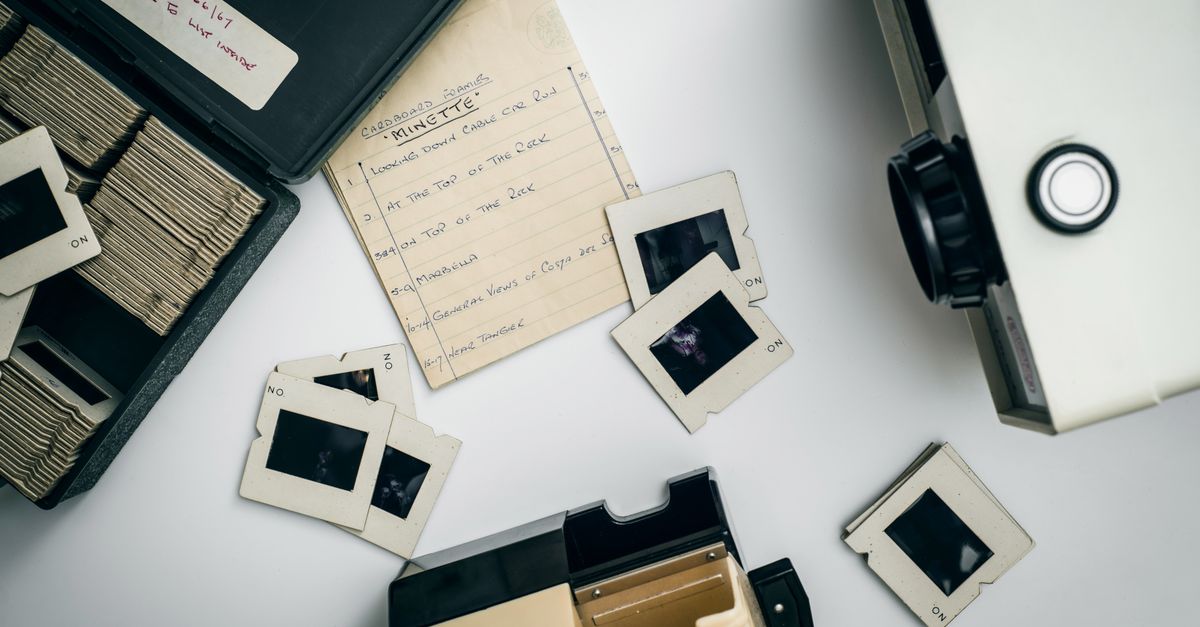
It’s impossible to separate our memories from the tools we use daily. Smartphones, social media, and cloud storage store more memories for us, reshaping how we archive our lives. Think about it: the ritual of flipping through photo albums has shifted to scrolling through Instagram feeds—a change as illuminating as it is subtle.
Advertisement
Are We Outsourcing Our Memories?
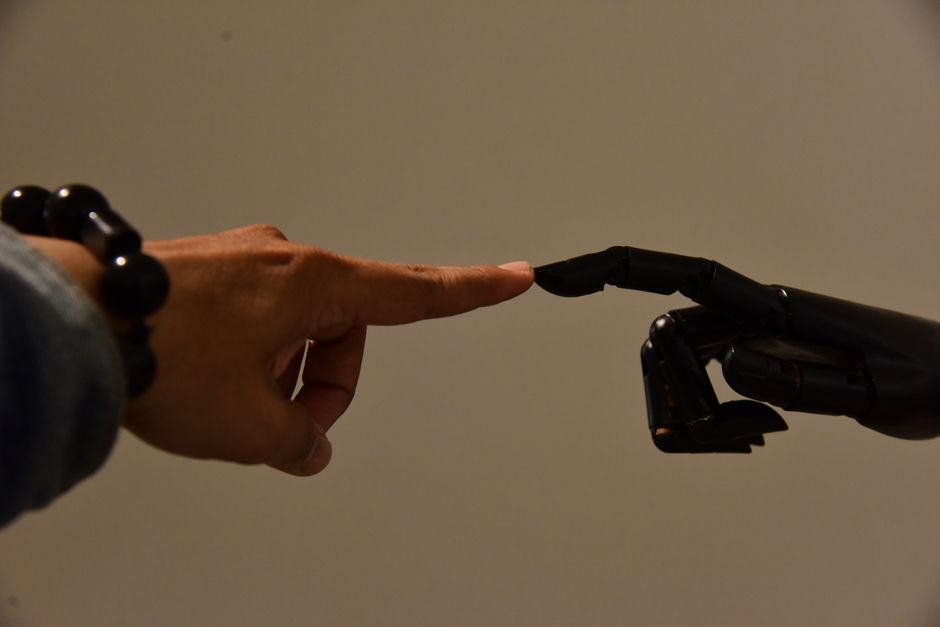
Our reliance on gadgets raises an intriguing question—are we outsourcing memory to machines? As artificial intelligence and search engines like Google provide limitless information at our fingertips, spontaneous recall becomes less essential. The "Google Effect"—our tendency to forget information easily accessible online—might be shaping a new kind of cognitive dependency.
Advertisement
The Psychological Undercurrents at Play
Aside from practicality, digitalization influences psychological pathways. Managed mainly by external tools, episodic memory—the ability to recall personal experiences—may diminish. This transition alters how we view past events, altering emotional connections and perceived significance. Are friendships fortified by Facebook friend anniversaries the same as those nurtured offline?
Advertisement
The Balancing Act: Convenience vs. Authenticity
Digitalization offers undeniable convenience, but at what cost? The ephemerality of memory intertwined with technology raises concerns of authenticity. While our devices can store vast bytes of information, authenticity, context, and sentimental value remain elusive. Are we cultivating memories or simply taking snapshots?
Advertisement
Shaping Future Generations' Cognitive Skills
Today's digital natives are evolving with these tools, their cognitive skills developing differently from pre-digital generations. The shift from traditional learning methods to digital interactions requires adaptive problem-solving and attention spans attuned to multi-tasking. This generational shift prompts introspection: what form will memory take in the future?
Advertisement
Conclusion
As we navigate the intricate dance between human memory and digitalization, it's crucial to remember that balance is key. The Fading Echoes remind us that while technology undeniably enhances memory's capacity, it doesn't substitute the depth of personal connections. By being intentional about what and how we remember, we can ensure memory continues to serve as more than just a repository of data.
Advertisement